
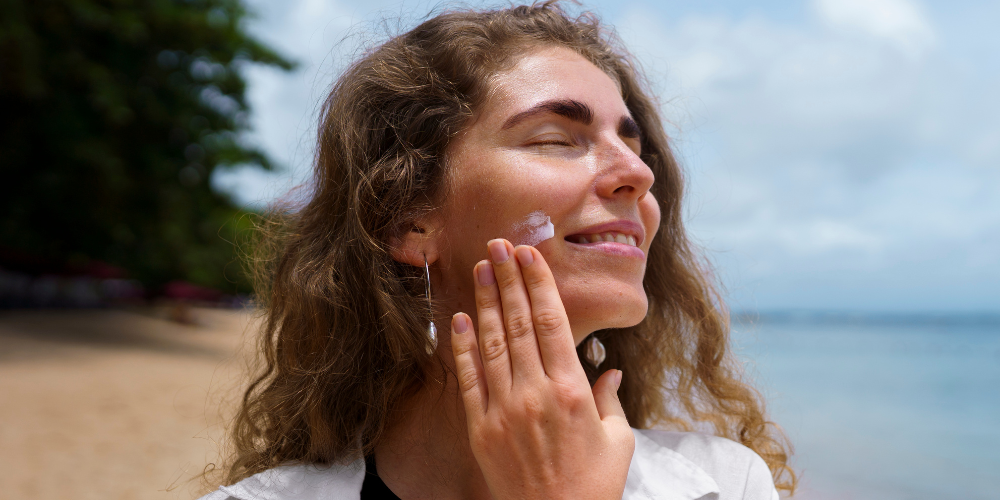
Sun protection in the United States is entering a new phase. For the first time in more than 20 years, the U.S. Food and Drug Administration (FDA) has approved a new sunscreen active ingredient: bemotrizinol, commonly known as BEMT.
The ingredient has already been used across Europe and Asia for decades, and health experts say its approval could improve the quality and safety of sunscreen products available to American consumers.
The decision arrives at a time when concerns continue to grow over the effectiveness and safety of several sunscreen ingredients currently sold in the U.S.
What Is Bemotrizinol?
Bemotrizinol is a chemical UV filter designed to protect the skin from both ultraviolet A (UVA) and ultraviolet B (UVB) rays. Unlike many older sunscreen ingredients, it remains stable when exposed to sunlight and does not break down easily during extended sun exposure.
Announcing the approval, U.S. Health and Human Services Secretary Robert F. Kennedy said:
“Bemotrizinol has been used safely in Europe for decades, and the FDA’s action will increase competition and consumer confidence in sunscreen products.”
The approval is widely viewed as a meaningful step because sunscreen options that combine strong protection with favorable safety profiles remain limited in the United States.
Why Experts Are Paying Attention
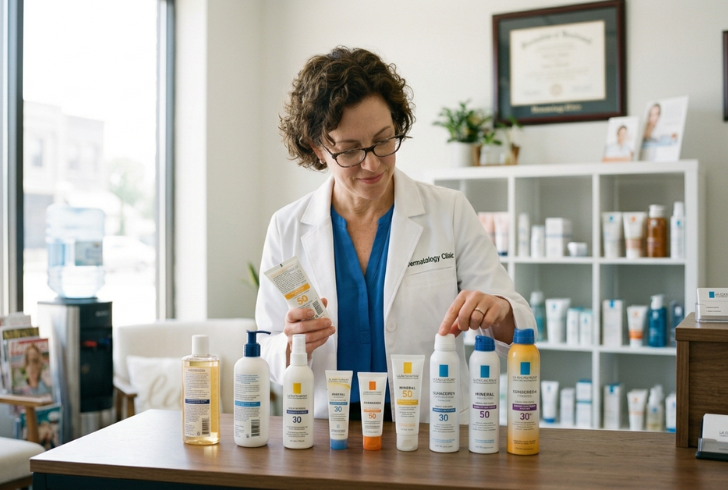
Gemini AI | Experts say bemotrizinol offers stronger UVA protection and works well with zinc oxide for broader sunscreen coverage.
According to the Environmental Working Group (EWG), many sunscreens sold in the U.S. perform well against UVB rays, which cause visible sunburn. However, critics argue that many products fall short when it comes to UVA protection.
UVA rays penetrate deeper into the skin and contribute to premature aging, immune system suppression, and skin cancer. The American Cancer Society identifies UVA exposure as a major factor in skin cancer development.
Research published by EWG found that U.S. sunscreens provide, on average, only 24% of the UVA protection consumers might expect based on SPF labeling.
Alexa Friedman, a senior scientist at EWG, said bemotrizinol addresses a long-standing gap in sunscreen protection.
“Bemotrizinol changes the calculus of sun care. It is highly photostable — meaning it won’t break down when hot summer sun hits your skin — unlike avobenzone, currently the only non-mineral filter in the U.S. that provides meaningful UVA coverage.”
Friedman also noted another benefit:
“Better yet, unlike the older non-mineral filters, it can be combined with zinc oxide to provide strong, broad-spectrum protection with less white cast.”
How It Compares to Current Sunscreens
The EWG's 2026 sunscreen report recommended 550 sunscreen products. Among those, 497 rely primarily on mineral-based ingredients.
Mineral sunscreens work by sitting on the skin's surface and reflecting or blocking UV rays. Because they are not significantly absorbed into the skin, they generally cause minimal irritation and raise fewer toxicity concerns. Earlier generations often left a noticeable white residue, but many modern formulas have reduced that issue.
Chemical sunscreens work differently. They absorb UV radiation and convert it into heat through a chemical reaction. For years, these products were widely used without major scrutiny. That changed in 2019 when FDA researchers discovered that six commonly used sunscreen chemicals could enter the bloodstream at levels that exceeded safety thresholds after just one day of use.
The findings raised concerns because several ingredients remained in the bloodstream long after application stopped.
Two ingredients drew particular attention: Homosalate and Oxybenzone.
According to FDA findings, both remained above safety thresholds for more than two weeks after use.
Questions Around Existing Chemical Filters
The FDA has identified a group of sunscreen chemicals that require additional research before they can be classified as GRASE, meaning "Generally Recognized as Safe and Effective."
Experts say manufacturers have not yet announced the studies requested by regulators. At the same time, the FDA has not finalized updated rules governing those ingredients.
Because of that regulatory uncertainty, many health advocates view bemotrizinol's approval as an important development.
David Andrews, EWG's chief science officer, welcomed the decision and said:
“This is a great day for American consumers and everyone who has fought to improve sunscreen options and close the UVA protection gap in U.S. sunscreens.”
He added:
“For decades, Americans have used outdated sunscreen tech while the rest of the world moved forward. The approval of bemotrizinol will help change that. This is a win that has been a long time coming.”
Industry Response and Calls for Faster Reform
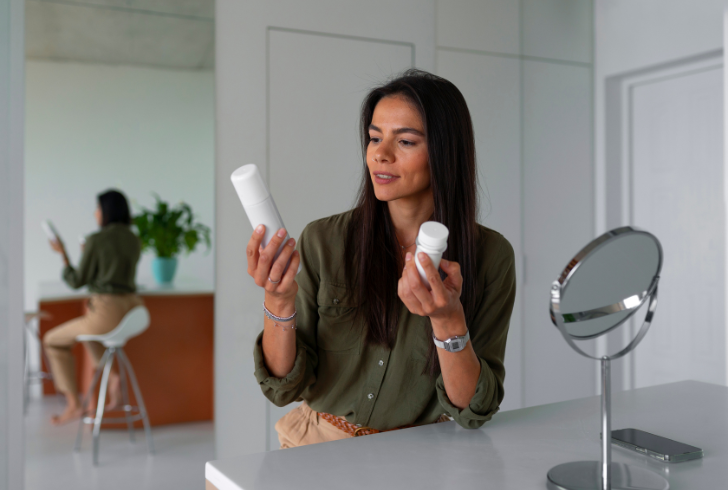
Freepik | American consumers will soon get safer, stronger UVA protection as U.S. sunscreens adopt bemotrizinol.
The Personal Care Products Council (PCPC), which represents sunscreen manufacturers, also supported the FDA's decision.
The organization described the approval as:
“a significant advancement for the personal care products industry and consumers.”
However, industry representatives argued that more regulatory modernization is still needed.
Tesia Williams, a spokesperson for PCPC, stated:
“While we commend the FDA for this progress, continued efforts are needed to establish a more efficient and modern approach for approving additional sunscreen active ingredients.”
The debate extends beyond ingredient approvals. In 2019, the FDA proposed several updates to sunscreen regulations and publicly discussed them again in 2021. Those proposals included clearer front-label ingredient disclosures and improved formatting for SPF, broad-spectrum protection, and water-resistance claims.
Despite those discussions, the proposed changes have not yet been finalized.
What This Approval Means
The FDA said the approval supports goals outlined in the Make America Healthy Again (MAHA) Strategy Report. The agency believes the decision will encourage innovation in the sunscreen market. It also aims to speed up regulatory processes that have fallen behind those in many other countries.
For consumers, the approval could bring more sunscreen options with stronger UVA protection. It may also help address concerns about some older chemical filters. As companies begin adding bemotrizinol to new products, U.S. sunscreen options could become more similar to those already available in Europe and Asia.
The approval of bemotrizinol is one of the biggest sunscreen updates in decades. The ingredient provides strong UVA protection and remains stable when exposed to sunlight. It has also been used safely in many countries for years. This gives consumers a new option in a market that has seen limited innovation.
Some questions remain about sunscreen regulations and the review of other ingredients. However, many health experts and industry groups view the decision as an important step forward. They believe it could improve sun protection options for people across the United States.