Louisiana has a serious maternal health problem, and the numbers make that clear. The state ranks near the bottom for maternal mortality and infant health, and the gap between Black mothers and white mothers remains wide and deeply troubling, according to the 2026 state ranking. In Baton Rouge and nearby areas, families feel the impact every day, not just in statistics but in real lives.
Now, 2026 is bringing a shift in how the state responds. Lawmakers, hospitals, and community groups are rolling out new programs that focus on care before, during, and after birth. At the center of this effort sits a simple idea: Give mothers more support, better access, and a stronger voice in their care.
Why Louisiana’s Maternal Health Crisis Demands Action?
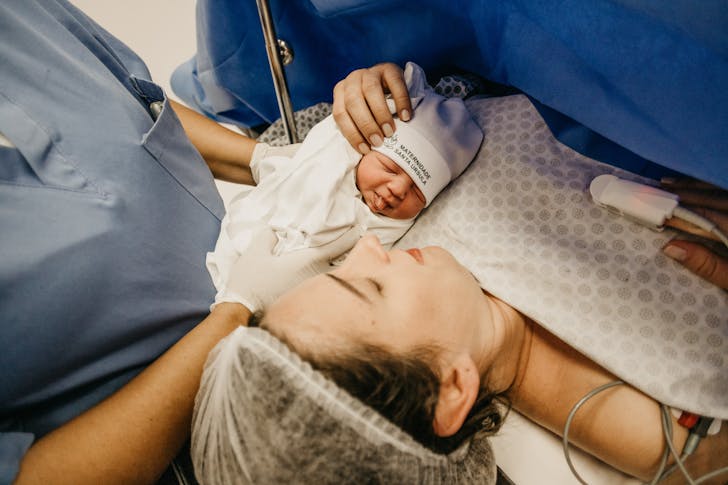
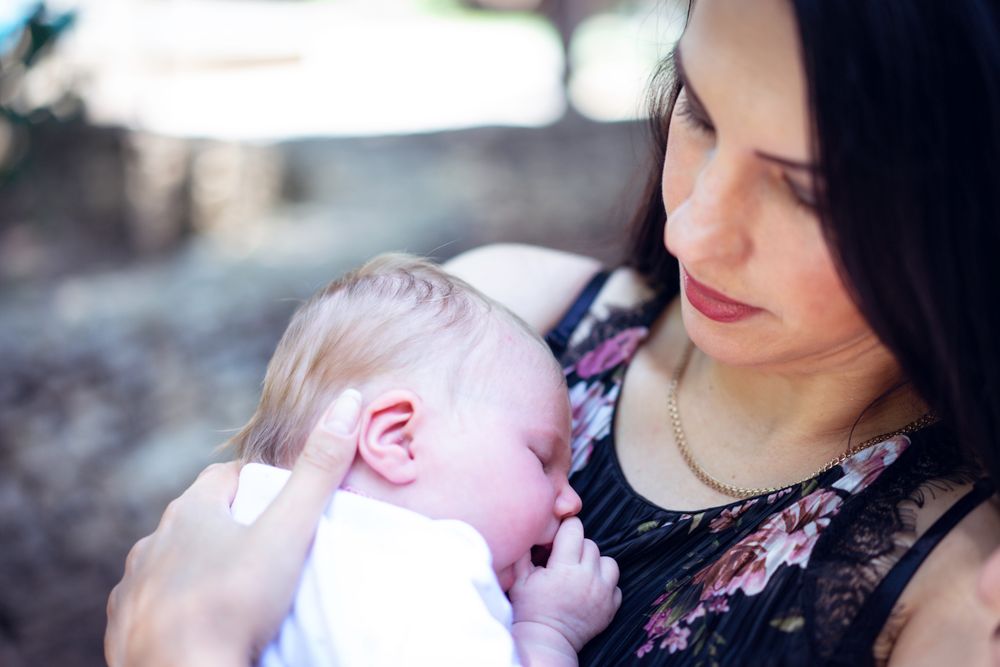
Jonathan / Pexels / Louisiana has one of the highest maternal death rates in the country, and Black women face the worst outcomes by far. They are dying at four times the rate of white women.
Research from Tulane University shows how uneven the burden really is. Black mothers make up just over a quarter of births, yet they account for nearly two-thirds of maternal deaths. Experts say most of these deaths could have been prevented with better care, faster response, and stronger support systems.
One of the biggest changes in 2026 is the expansion of doula services across Louisiana. Medicaid now covers doula care, which opens the door for many families who could not afford it before. This builds on earlier laws that required private insurance to include similar coverage.
Doulas do not replace doctors or nurses, but they offer something that medical care often misses. They provide steady, one-on-one support during pregnancy, labor, and recovery. They answer questions, explain options, and help mothers feel heard in moments that can feel overwhelming.
Research backs up the impact of this kind of care. Mothers who work with doulas often have fewer C-sections, shorter labors, and healthier babies. Breastfeeding rates improve, and complications like preterm birth and low birth weight drop. These are not small changes, and they directly address many of the risks Louisiana faces.
For some women, the presence of a doula changes everything. It can mean having someone speak up when concerns are brushed aside or having guidance during a confusing hospital experience. That support can turn fear into confidence and help prevent problems before they grow.
New Programs Tackle Overdose and Postpartum Care
Doula programs are only one part of a larger plan. Louisiana has also launched Project M.O.M., which focuses on reducing deaths linked to substance use. Since 2018, overdose has been the leading cause of pregnancy-related deaths in the state, which makes this effort urgent.
Hospitals involved in the program are taking a new approach. They screen every patient for substance use, offer treatment without judgment, and provide tools like naloxone to prevent fatal overdoses. They also assign care navigators who help mothers stay connected to support after leaving the hospital.
This shift treats substance use as a medical issue, not a moral one. That change matters because it encourages more women to seek help without fear of stigma. When care feels safe and respectful, outcomes improve, and lives are saved.
Hospitals Expand to Support High-Risk Newborns
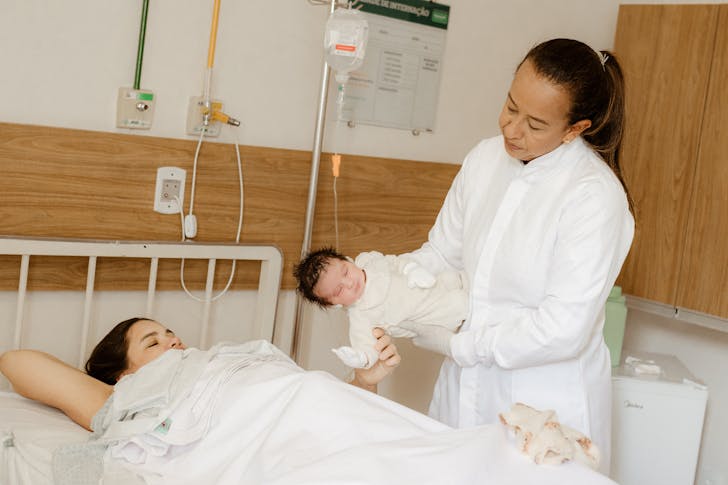
Jonathan / Pexels / Hospitals across Louisiana are expanding care for newborns who need extra help.
In Lafayette, a major NICU expansion now offers more space and private rooms for families dealing with complex medical cases.
This kind of investment reflects a growing need. Nearly one in ten babies in the region requires specialized care, which places pressure on hospitals and families alike. Expanding local options means fewer families have to travel long distances during already stressful times.
At the same time, postpartum care is getting long overdue attention. Programs like Family Connects New Orleans send nurses to visit families at home after birth. These visits check on both the baby and the mother, which helps catch issues early and keeps small problems from becoming serious.