
A grieving Alabama family is searching for answers after a heartbreaking discovery. The grave of their grandmother, Carrie Griffin, appears to have vanished from a private cemetery in Birmingham, raising troubling questions about recordkeeping, oversight, and accountability.
What began as a family's effort to visit a loved one's resting place has grown into a larger fight for change. The Griffin family is now calling for a formal investigation and statewide legal reforms that could reshape how private cemeteries operate across Alabama.
The Family's Search Turns Into a Disturbing Mystery
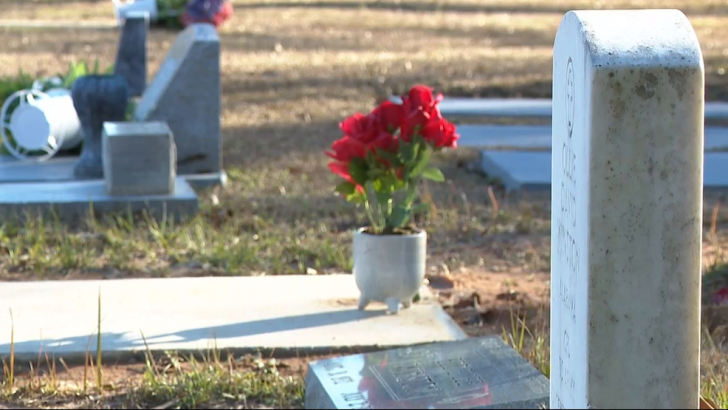
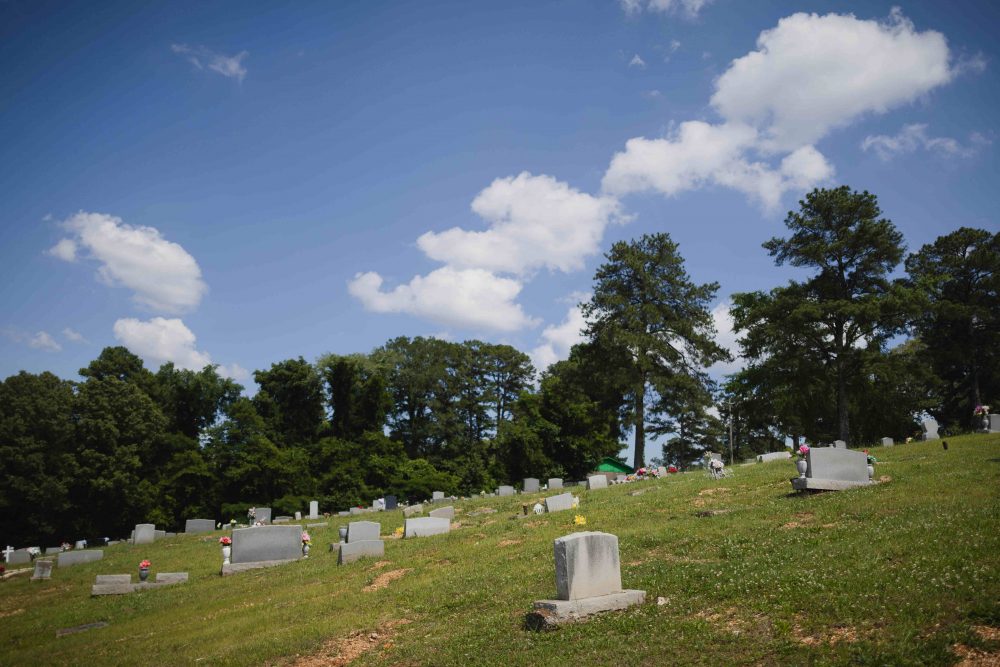
GTN / Carrie Griffin was buried at Zion Memorial Gardens Cemetery in November 2023. The family says the grave has no visible marker now.
Her family expected to have a place where they could visit, reflect, and honor her memory. Instead, they returned to find no visible marker, no headstone, and no clear indication of where she had been buried.
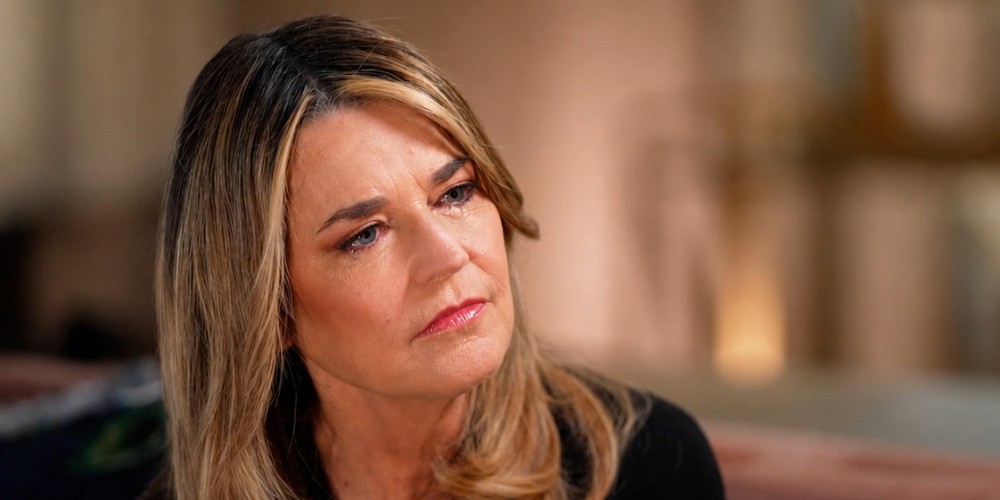
The discovery left the family shocked and frustrated. Visits to a cemetery are supposed to bring comfort. For the Griffins, each visit brought more confusion. The absence of clear records and reliable information made an already painful situation even harder to bear.
According to the family, attempts to get answers from cemetery management led nowhere. They say information provided by the cemetery was inconsistent and records appeared incomplete or missing. As questions piled up, confidence in the cemetery's operations began to fade.
The situation became so serious that the family decided to exhume and relocate another relative buried at the same property. That decision reflected a growing fear that burial locations at the cemetery could not be trusted. Despite extensive efforts, Carrie Griffin's remains have still not been located.
Troubling Conditions Raise More Questions
During their search, family members reported finding several areas that caused concern. They described overgrown sections of land, unmarked plots, disturbed ground near a retaining wall, and piles of dirt and straw scattered around the property.
These observations added to fears that proper burial procedures may not have been followed consistently. Families place enormous trust in cemeteries. When burial sites become difficult to identify, that trust can quickly disappear.
The family also reported finding torn pieces of clothing in brush-covered areas near the back of the cemetery grounds. While the significance of those items remains unclear, the discovery deepened concerns about conditions at the facility.
Lawsuits and Calls for Accountability
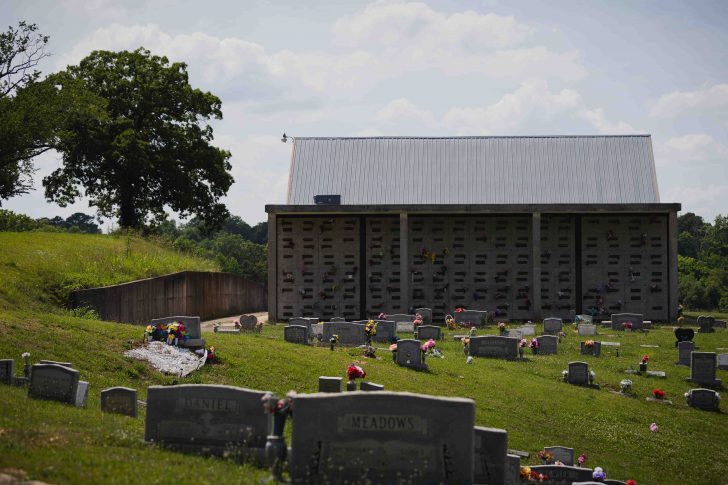
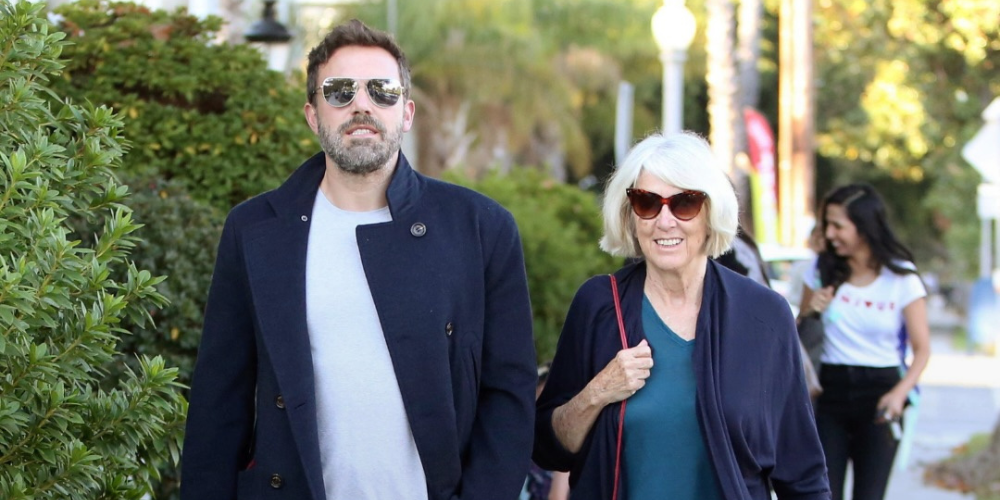
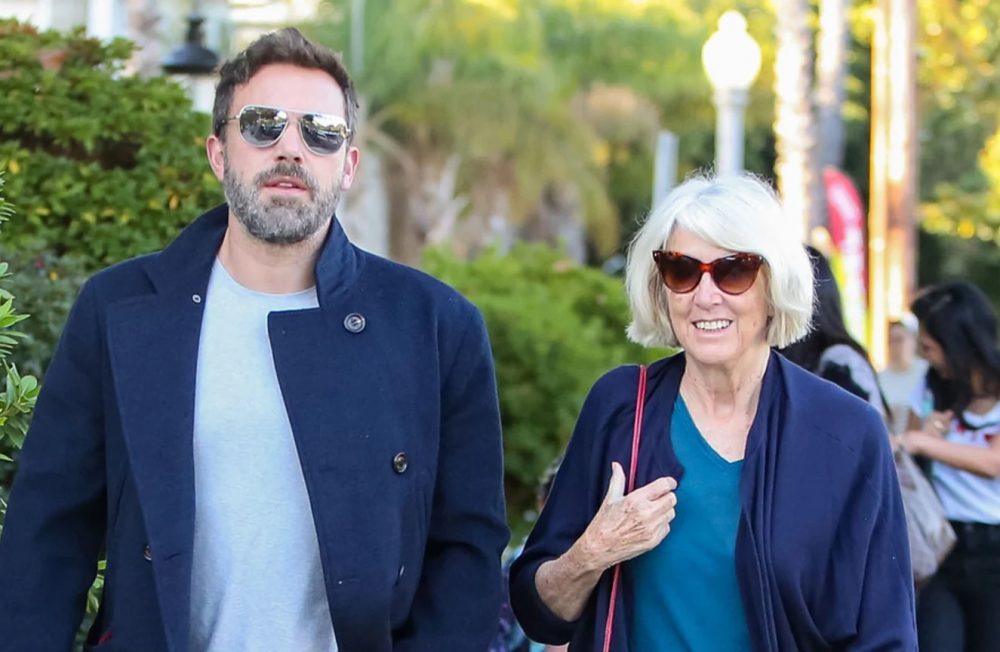
E News / The cemetery is owned and operated by Beverly Cole McMillian Luchansky. In October 2025, the Griffin family filed a civil lawsuit accusing the cemetery operator of negligence, fraud, misrepresentation, and failure to maintain proper burial records and conditions.s
The lawsuit is not the only legal challenge facing the business. Reports indicate that at least six active cases have been filed against the cemetery and its owner. Each complaint involves allegations connected to the handling of loved ones' burials.
While courts will ultimately determine the facts, the growing number of complaints has attracted public attention. Families affected by these issues argue that stronger oversight could have prevented many of the problems now being reported.
The cemetery's recent closure announcement added another layer of uncertainty. A sign posted on the property stated that the business had closed due to unforeseen circumstances. Shortly afterward, an updated voicemail message reportedly indicated that operations would resume.
The family says their fight is about more than one missing grave. They believe the case highlights a serious gap in Alabama law that leaves families vulnerable when problems arise at private cemeteries.
To address that concern, the family has proposed legislation known as the Alabama Cemetery Oversight and Accountability Act. The proposal seeks to establish stricter rules for private cemetery operations across the state.